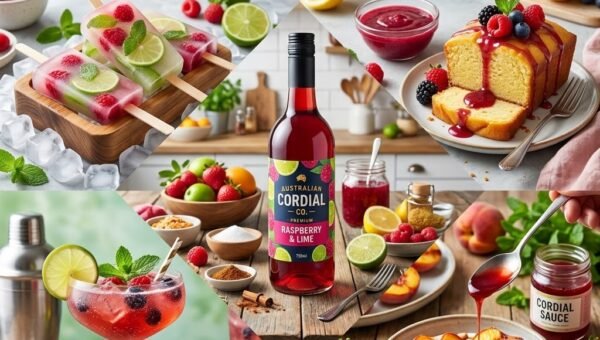
For a lot of Australians, cordial is not just a drink. It is a memory.
It is the plastic cup at a kids’ party. It is the jug in the fridge on a hot afternoon. It is something poured quickly before heading back outside for backyard cricket, sprinkler runs, cubby-house games, or a long summer day that seemed like it would never end. Long before energy drinks, boutique sodas, and imported soft drinks took over supermarket shelves, cordial had already locked in its place as one of the true classics of Australian family life.
Part of the charm of cordial is that it has never tried too hard. It is simple, flexible, cheap, cheerful, and familiar. You can make it weak, make it strong, add ice, freeze it into ice blocks, or stretch one bottle across what feels like an endless number of glasses. And while every household had its own favourite, there are a handful of flavours that almost every Australian seems to remember.
Some were sharp and zesty. Some were bright and sugary. Some felt almost grown-up compared with the sweeter, louder options. Together, they make up a flavour map of childhood in Australia.
Why cordial became such an Australian staple
Cordial suited Australian life perfectly. In a warm country where people spend plenty of time outdoors, a cold drink that could be mixed up in seconds made sense. It was easy to keep in the pantry, easy to transport, and easy to serve to a group. For families, it was practical. For kids, it felt like a treat. For hosts, it was almost automatic.
It also had that distinct ability to sit somewhere between everyday and special occasion. Water was the default, soft drink was often reserved for weekends or parties, and cordial lived right in the middle. It was common enough to feel normal, but fun enough to feel exciting.
That is probably why certain flavours became so deeply tied to Australian childhood. They were repeated again and again in the moments people remember most.
Lime: the undisputed classic
If there is one cordial flavour that stands above the rest in Australia, it is probably lime.
Lime cordial has a clean, bright, unmistakable flavour. It is sweet, but it also has a tart edge that makes it feel more refreshing than many of the red or orange options. On a truly hot day, lime had a way of tasting crisp in a way few other cordial flavours could match.
It also had range. Kids drank it with ice in a plastic tumbler. Adults kept it around as a mixer. Some families always seemed to have a bottle of lime cordial in the pantry no matter what else came and went. It was dependable. Familiar. A little bit old-school, but never out of place.
Lime is one of those flavours that feels distinctly Australian in cordial form. Even people who had plenty of other favourites often still respected lime as the one that just worked. It was the safe choice, the all-rounder, the one that rarely disappointed.
Lemon barley: the quiet achiever
Lemon barley may not always have had the flashy reputation of raspberry or orange, but it earned something arguably better: trust.
There was something about lemon barley cordial that felt more serious. More practical. More “proper.” It was the cordial that often appeared when people needed something genuinely refreshing rather than just sweet. It had a softer citrus profile than straight lemon, with a rounded, mellow character that made it feel almost soothing.
For many Australians, lemon barley sits right on the border between childhood drink and family staple. Kids drank it, but so did parents and grandparents. It was common in homes where the fridge always had a jug ready. It felt at home after sport, after time in the sun, or when someone wanted a cold drink that was not too sugary-tasting.
Its staying power says a lot. Trends come and go, but lemon barley keeps hanging around because it delivers exactly what people want from cordial: refreshment, familiarity, and that lovely old-fashioned feeling of something that has been part of Australian kitchens for generations.
Raspberry: the bright red party favourite
If lime was the classic and lemon barley was the dependable one, raspberry was the fun one.
Raspberry cordial was loud, cheerful, and impossible to miss. The colour alone did half the work. Pour it into a clear cup and suddenly the whole thing looked like a celebration. It had that sweet, fruity flavour kids loved, and it became deeply associated with birthday parties, school holiday gatherings, community events, and sausage sizzles.
There is something deeply nostalgic about raspberry cordial because it was rarely subtle. It tasted like excitement. It tasted like being allowed something colourful and sugary and a bit over-the-top. It often showed up in large batches, poured from big jugs, and served alongside party food, fairy bread, chips, and cake.
For many Australians, raspberry cordial is less about fine flavour detail and more about feeling. It represents the social side of childhood: noise, laughter, games, and that slightly sticky post-party atmosphere where everything was fun and nothing needed to be fancy.
Orange: sunshine in a glass
Orange cordial has always had strong competition from orange juice and orange soft drink, but it still carved out its own place in Australian households.
What made orange cordial special was its brightness. It had that sunny, cheerful quality that made it feel made for warm weather. It was a classic lunch-table drink, an easy crowd-pleaser, and one of the first flavours many kids learned to recognise. It was approachable, familiar, and hard to dislike.
Orange cordial also felt versatile. It could be mixed stronger for a more intense hit or watered down for something lighter. It worked with ice, with sliced fruit added in, or frozen into icy treats. In many homes, it was one of the rotation staples alongside lime and raspberry.
It may not always get the same nostalgic spotlight as lemon barley or lime, but orange absolutely deserves its place on the iconic list. It was one of those flavours that quietly became part of everyday Australian life.
Blackcurrant: rich, sweet, and unmistakable
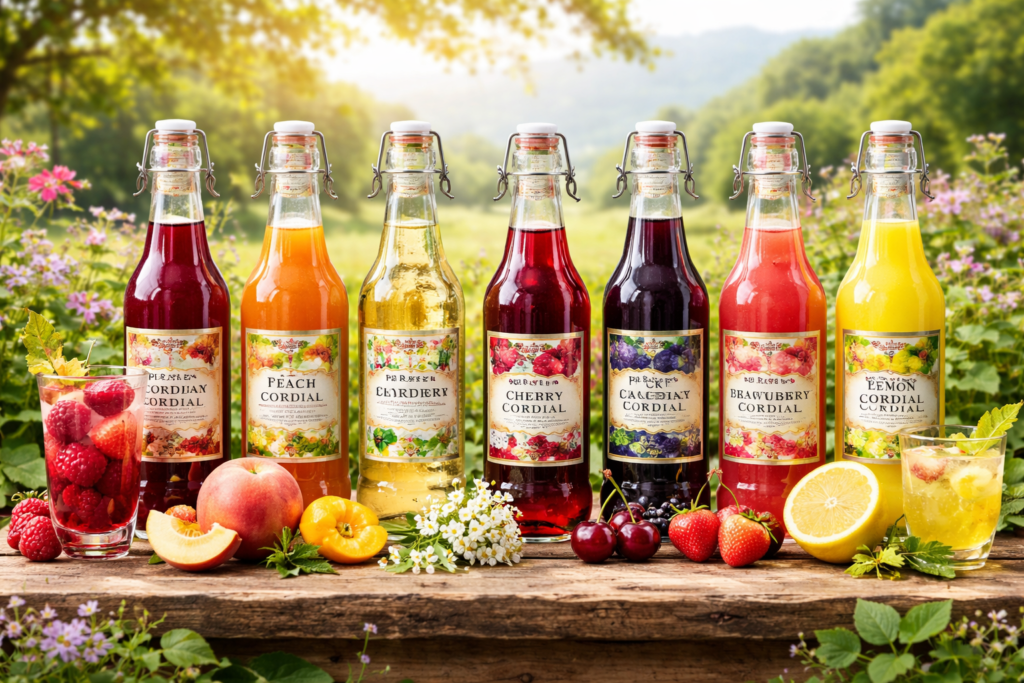
Blackcurrant cordial has a slightly different personality from the brighter citrus flavours. It is deeper, darker, and more full-bodied. For some kids, it was a favourite because it felt richer and sweeter. For others, it was a flavour that grew on them over time.
What made blackcurrant memorable was that it tasted distinctive. You could not really confuse it with anything else. It had a bold berry flavour and a colour that felt dramatic in the glass. It also had an old-fashioned confidence to it, almost like it came from a different era of cordial drinking.
In some households, blackcurrant was the go-to option when the usual citrus flavours felt a bit repetitive. It offered something fruitier and more robust. It was especially good icy cold, when its sweetness felt balanced and refreshing.
For Australians who grew up with it, blackcurrant cordial often triggers the strongest kind of nostalgia: the memory of a flavour that seemed completely normal at the time, but now feels wonderfully specific to childhood.
Lemon: simple, sharp, and underrated
Lemon often lived in the shadow of lime and lemon barley, but it deserves a lot more credit than it usually gets.
A straight lemon cordial had a sharper, more direct citrus hit. It was clean and brisk, and in the right mix it could be incredibly refreshing. It might not have had the same personality as raspberry or the easy fame of lime, but it offered something wonderfully simple.
This is part of cordial’s magic. Not every iconic flavour had to be flashy. Some were memorable precisely because they were straightforward. Lemon was one of those. It felt familiar, sensible, and useful. It was often there in the background, quietly doing its job and doing it well.
For many Australians, lemon cordial was part of the standard household line-up, whether or not it was the number-one favourite.
Pineapple and passionfruit: the tropical crowd
Then there were the tropical flavours.
Pineapple cordial and passionfruit cordial brought a different energy to the cordial shelf. They felt a little more summery, a little more playful, and sometimes a little more special. They had a holiday feel to them, almost as if the flavour alone could hint at sunshine, barbecues, and long afternoons outside.
Pineapple had that sweet, juicy edge that made it especially popular with kids. Passionfruit often felt slightly more fragrant and distinctive, with a tang that kept it interesting. Both flavours added variety and made the cordial lineup feel more colourful.
These might not have been the default bottles in every single home, but they were absolutely part of the broader Australian cordial experience. When they showed up, people noticed.
Creaming soda and the dessert-like flavours
Some cordial flavours were less about refreshment and more about pure fun. Creaming soda sits firmly in that category.
Sweet, creamy, and almost confectionery in character, creaming soda cordial felt like a treat within a treat. It was the kind of flavour that leaned into cordial’s playful side. While not everyone’s everyday choice, it was memorable because it was so different from the citrus and berry standards.
It represented the more indulgent side of childhood drinking. Less practical, more exciting. Less “thirst quencher,” more “this feels like party food in liquid form.”
These sweeter flavours helped make cordial such a broad and beloved category. There was always room for something classic and something a little outrageous.
What made these flavours so memorable
The most iconic cordial flavours are not just the ones that tasted good. They are the ones that became attached to routine, place, and people.
Lime reminds people of heat and refreshment. Raspberry recalls parties and noise. Lemon barley brings back family kitchens and cold jugs in the fridge. Orange feels cheerful and familiar. Blackcurrant, pineapple, passionfruit, and creaming soda each carry their own little pocket of memory.
Cordial was woven into everyday Australian life in a way that made flavour feel personal. Two people can grow up in the same town and still remember cordial differently depending on what their family bought, what their school served, or what turned up at every birthday party. That is why talking about cordial so often becomes talking about childhood itself.
Why these flavours still matter
Even now, in a crowded drinks market full of fancy alternatives, those classic cordial flavours still mean something. They carry nostalgia, yes, but they also remain genuinely enjoyable. A cold glass of lime cordial on a hot day still works. Lemon barley is still refreshing. Raspberry still feels like a party.
That is the real reason these flavours have endured. They are not just old favourites people remember fondly. They are flavours with staying power because they do what cordial has always done best: deliver easy, affordable, refreshing enjoyment.
And maybe that is why cordial continues to hold such a special place in Australia. It does not need reinvention to matter. It just needs a glass, some cold water, and one of those familiar flavours that takes you straight back to childhood.
The flavour of growing up
Ask Australians what cordial they grew up with, and you will probably hear the same names come up again and again: lime, lemon barley, raspberry, orange, blackcurrant, maybe pineapple or passionfruit, maybe something sweeter like creaming soda.
Each flavour tells a slightly different story, but together they describe a very Australian kind of upbringing. One full of warm weather, casual hospitality, backyard play, and simple pleasures that never needed much fuss.
From lime to lemon barley, these are more than cordial flavours. They are part of the taste of growing up in Australia.